Identifying Venomous vs. Non-Venomous Snakes and When to Call a Professional
People seeking to identify venomous versus non-venomous snakes and know when to call a professional can rely on local service providers who specialize in safe snake removal and expert identification.
Understanding how to distinguish between venomous and non-venomous snakes is an important step for property owners in the area, especially those who spend time outdoors or live near natural habitats. Recognizing key differences can help prevent unnecessary panic and ensure safety, but it’s equally important to know when a situation calls for professional assistance. Local service providers specializing in snake removal have the experience to handle these encounters safely and effectively, providing peace of mind for homeowners and outdoor enthusiasts alike. Continuing to explore this topic can help you feel more confident in identifying potential hazards and knowing when expert intervention is the best course of action.
Property owners may find it practical to learn about snake identification and the circumstances that warrant professional help, particularly during warmer months or in areas with dense vegetation. While some snakes pose minimal risk and can be safely observed from a distance, others require prompt removal to prevent potential bites. Local contractors who offer snake removal services are equipped to assess the situation accurately and handle the removal process responsibly. Keeping informed about how to identify venomous versus non-venomous snakes and understanding when to seek expert assistance can contribute to a safer outdoor environment for everyone.
- Venomous snake removal services are essential when someone encounters a snake with warning signs of venom, and local contractors use careful identification techniques to safely remove these dangerous creatures.
- Non-venomous snake removal is often needed in situations where harmless snakes are found in residential or commercial areas, with service providers employing humane methods to relocate them.
- Identifying venomous vs. non-venomous snakes involves recognizing key physical features and behaviors, and local experts can assist in accurate identification to determine the appropriate response.
- When to call a professional is clear if a snake is found in an area frequented by people, especially if its identity is uncertain or it exhibits aggressive behavior, prompting prompt removal from experienced service providers.
- Snake removal services from local contractors are available to safely handle situations where distinguishing between venomous and non-venomous snakes is critical for safety.
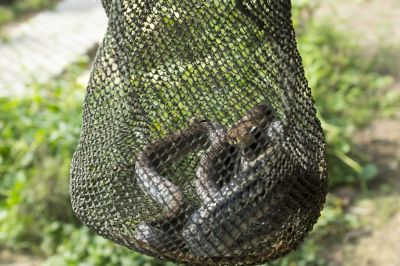
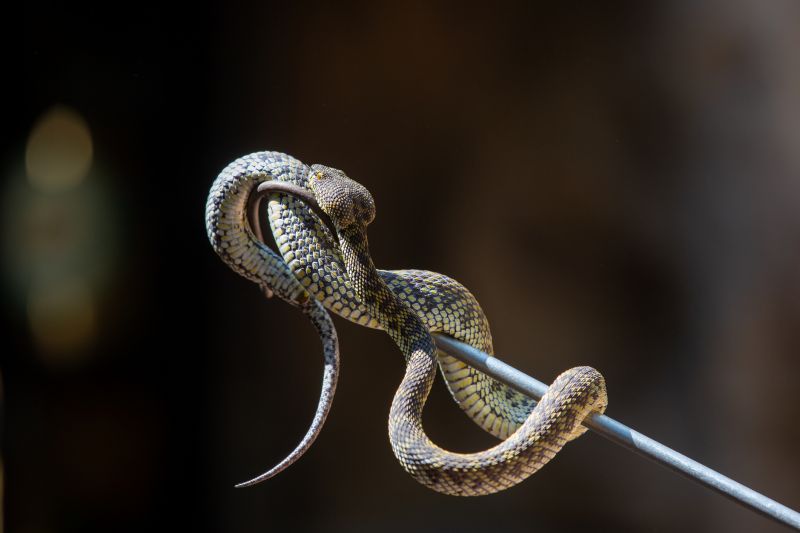
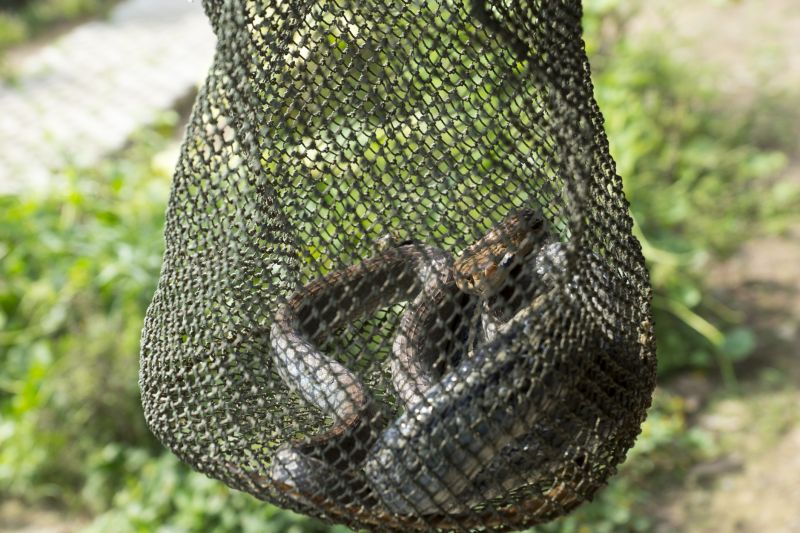
When people search for information on identifying venomous versus non-venomous snakes, they often do so out of concern for safety and the desire to understand what kind of snake they might be dealing with. This topic relates closely to homeowners who encounter snakes in their yards, gardens, or around their property and want to determine whether the creature poses a threat. Many property owners are interested in practical guidance on how to recognize key differences, such as head shape, scale patterns, and coloration, to make informed decisions about whether to attempt removal themselves or seek professional help. Understanding these distinctions can be crucial in preventing bites or injuries, especially in areas where venomous snakes are common. Local snake removal service providers can assist in safely identifying these reptiles and advising on the appropriate next steps.
Identifying venomous versus non-venomous snakes often involves examining specific physical traits and behaviors. Common indicators of venomous snakes include triangular-shaped heads, slit-like pupils, and distinctive markings like rattles or pit viper features. Non-venomous snakes tend to have more rounded heads, vertical pupils, and less aggressive postures. However, many species look similar, which can make identification challenging for homeowners without experience. This is where the expertise of local contractors becomes valuable-they can accurately identify the species and determine whether the snake is dangerous. Many property owners seek this knowledge to plan safe removal or exclusion strategies, especially when the snake's presence is in areas frequented by children or pets.
The types of properties where snake encounters are most common typically include residential yards, gardens, storage sheds, and wooded or grassy areas. These environments provide ample hiding spots and food sources, attracting both venomous and non-venomous species. In suburban and rural settings, the risk of encountering venomous snakes like rattlesnakes or copperheads increases, prompting homeowners to be more cautious. Non-venomous snakes, such as garter snakes or rat snakes, often serve beneficial roles by controlling pests but still require careful handling if removal becomes necessary. Local service providers are equipped to handle snake removals on various property types, ensuring that the situation is managed safely and effectively.
Knowing when to call a professional for snake removal is vital for safety and peace of mind. If a snake is spotted in a hard-to-reach area or in close proximity to children or pets, it is advisable to seek expert assistance. Additionally, if the snake’s identification is uncertain or the species appears to be venomous, professional removal is the safest course of action. Attempting to handle or remove a snake without proper knowledge can lead to bites or injuries. Local snake removal specialists are experienced in safely capturing and relocating these reptiles, reducing the risk of harm and ensuring the property remains secure. Recognizing the signs that professional help is needed can help property owners respond appropriately and avoid unnecessary danger.
Wildlife Identification Projects - These projects involve recognizing various animal species, including snakes, which helps in understanding how to distinguish venomous from non-venomous types and when professional intervention is needed.
Home Inspection and Risk Assessment - Local contractors perform inspections to identify potential hazards like snake habitats, guiding homeowners on when to seek expert removal services for safety concerns.
Outdoor Safety Planning - Planning and implementing safety measures in yards and gardens require knowledge of snake behavior and identification, connecting homeowners with pros for proper removal when necessary.
Habitat Management Projects - Managing and modifying outdoor environments to reduce snake encounters involves understanding snake species and knowing when to involve professionals for removal or habitat alteration.
Educational Workshops on Wildlife Safety - These programs teach about identifying venomous versus non-venomous snakes, helping individuals recognize situations that warrant professional snake removal services.
Pest and Wildlife Control Consultations - Consulting on pest issues often includes advice on snake identification and when to call a professional for safe removal to prevent dangerous encounters.
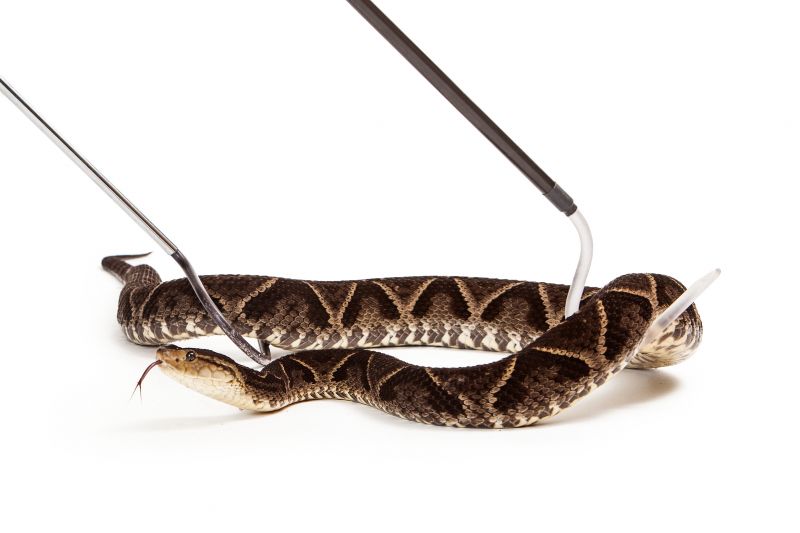
When comparing local snake removal service providers for identifying venomous versus non-venomous snakes and determining when to call a professional, it’s important to evaluate their experience with similar projects. Homeowners should seek out contractors who have a demonstrated history of handling snake identification and removal in residential settings. An experienced service provider will be familiar with the common local species, understand how to distinguish between venomous and non-venomous snakes accurately, and know the appropriate methods for safe removal. This background can help ensure the work is performed effectively and reduces the risk of misidentification, which is crucial for safety and peace of mind.
Clear written expectations are essential when choosing a snake removal service. Homeowners should look for providers who can outline their process, what the removal entails, and any follow-up steps. Having a detailed scope of work helps prevent misunderstandings and ensures that both parties are aligned on what will be done. Reputable contractors often provide this information upfront, making it easier for homeowners to compare services and select a provider that meets their needs. This transparency also demonstrates professionalism and a commitment to clear communication, which can be especially valuable when dealing with potentially dangerous situations like venomous snake encounters.
Reputable references and good communication are key factors to consider during the comparison process. Homeowners are encouraged to seek out service providers who can provide references from past clients, particularly those who have had similar snake identification or removal needs. Positive feedback from previous customers can offer insights into the contractor’s reliability, expertise, and approach to safety. Additionally, a service provider who maintains open and responsive communication can better address questions, clarify procedures, and ensure that homeowners feel informed throughout the process. These qualities contribute to a more confident and comfortable experience when choosing a local contractor for snake identification and removal services.
Property owners often search for identifying venomous vs. non-venomous snakes and when to call a professional when they are planning practical projects around their homes and businesses. Local pros provide Venomous and Non-Venomous Snake Removal services for everyday jobs and straightforward project options.

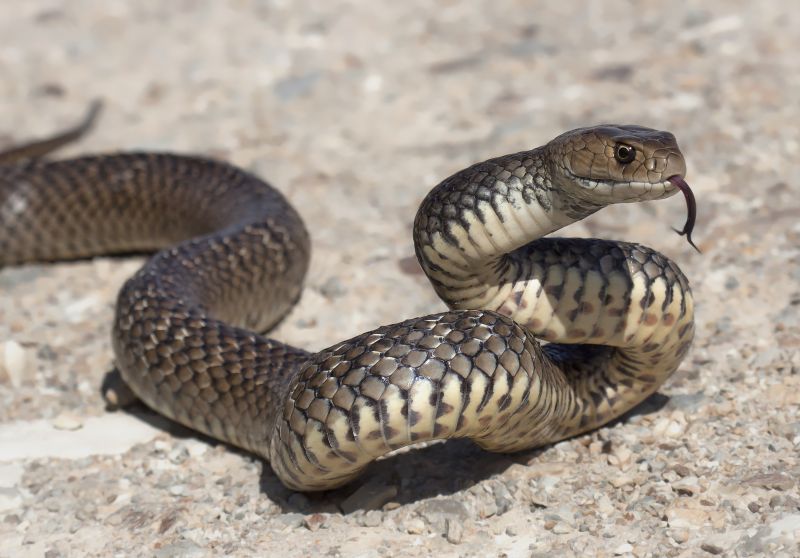
Understanding how to identify venomous versus non-venomous snakes can be essential for property owners dealing with unexpected encounters on their land. Recognizing key differences, such as head shape, eye pupils, and scale patterns, can help determine whether a snake poses a threat or is harmless. When unsure, it’s advisable to avoid handling the snake and instead seek assistance from local contractors experienced in snake removal services, who can safely evaluate the situation and remove the animal if necessary.
In situations where a snake is found in a home, yard, or other occupied space, knowing when to call a professional is crucial. If the snake’s species is uncertain or if it exhibits aggressive behavior, contacting local snake removal specialists can ensure the situation is managed safely and effectively. These service providers are equipped to handle both venomous and non-venomous snakes, reducing the risk of injury and ensuring proper removal, especially in cases where property owners are unsure about the species or how to proceed.
How can I tell if a snake is venomous or non-venomous? Identifying venomous vs. non-venomous snakes involves observing features like head shape, eye pupils, and color patterns. However, many snakes look similar, so consulting a professional snake removal service can ensure accurate identification and safe handling.
What are common signs that a snake may be venomous? Venomous snakes often have distinctive features such as triangular heads, slit-shaped pupils, and specific color markings. Still, these traits can vary, making it safer to rely on local contractors for proper identification and removal.
When should I consider calling a professional for snake removal? If you encounter a snake that you cannot confidently identify as non-venomous, or if a snake is in an area accessible to children or pets, contacting local snake removal experts is recommended for safe and effective removal.
Are there specific features that indicate a snake is non-venomous? Non-venomous snakes typically have rounded heads and pupils, and may display certain color patterns. Still, since appearances can be similar, it’s best to have a professional assess and handle the situation.
Why is it important to hire a professional for snake identification and removal? Professionals have the experience and knowledge to accurately identify venomous vs. non-venomous snakes and safely remove them, reducing risk and ensuring the safety of everyone involved.
Recognizing venomous snake features - property owners can learn to identify key characteristics of venomous snakes to better assess when professional removal is needed.
Understanding non-venomous snake behaviors - observing how non-venomous snakes move and react can help determine if removal services are necessary for safety.
Knowing when to seek professional help - recognizing signs of a potentially dangerous snake presence encourages timely contact with local contractors for safe removal.
Implementing preventative measures - property owners can take steps to reduce snake attractants, making professional removal more effective if needed.
If you are thinking about identifying venomous vs. non-venomous snakes and when to call a professional for a property, this guide is meant to help you understand this topic, the typical project types, and how different options might fit your plans.
When you are ready, you can use the quote form on this page to share a few details about your project. From there, local pros can review the basics and follow up with options that match what you have in mind.