Common Small Animal Problems in Commercial and Industrial Properties
People seeking small animal removal in commercial and industrial properties can rely on local service providers to effectively address common small animal problems and ensure property safety.
Property owners in commercial and industrial settings often face the challenge of managing common small animal problems that can impact safety, hygiene, and building integrity. Whether it’s rodents nesting in hidden corners or birds seeking shelter in vents, these issues are more than just nuisances-they can lead to costly damage and health concerns if not addressed promptly. Recognizing the signs early and understanding the typical problems associated with small animals in these environments can help owners take proactive steps to protect their properties.
Local contractors skilled in small animal removal are equipped to handle these situations efficiently and effectively. They provide practical solutions to eliminate pests, seal entry points, and prevent future invasions, helping property owners maintain a safe and clean environment. Exploring these services can be a valuable part of ongoing property management, ensuring that small animal issues are managed before they escalate into larger problems. Keep reading to learn more about common small animal problems and how local service providers can assist in resolving them.
- Commercial building inspections often reveal signs of small animal activity, prompting property owners to seek local contractors experienced in removal. Industrial facilities facing unexplained noises or damage may require small animal removal services to address infestations safely and effectively. When small animals are found nesting in attics, walls, or ventilation systems, local service providers can implement humane exclusion and removal methods. Pest sightings or droppings in storage areas or utility rooms are common triggers for property managers to contact local pros for prompt assistance. Structural damage caused by small animals can lead property owners to engage local contractors skilled in identifying entry points and performing effective removals.
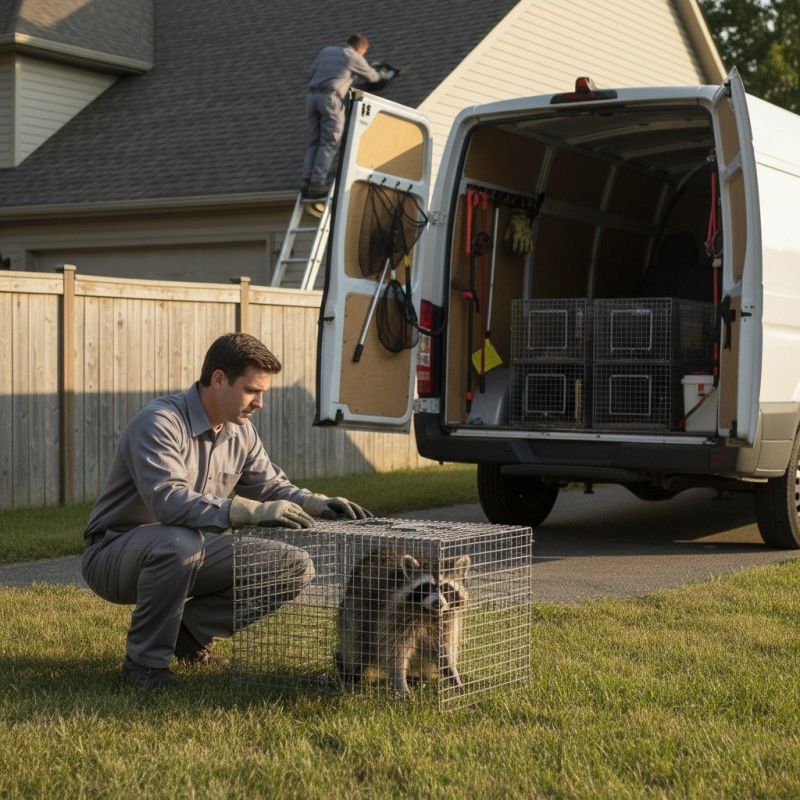
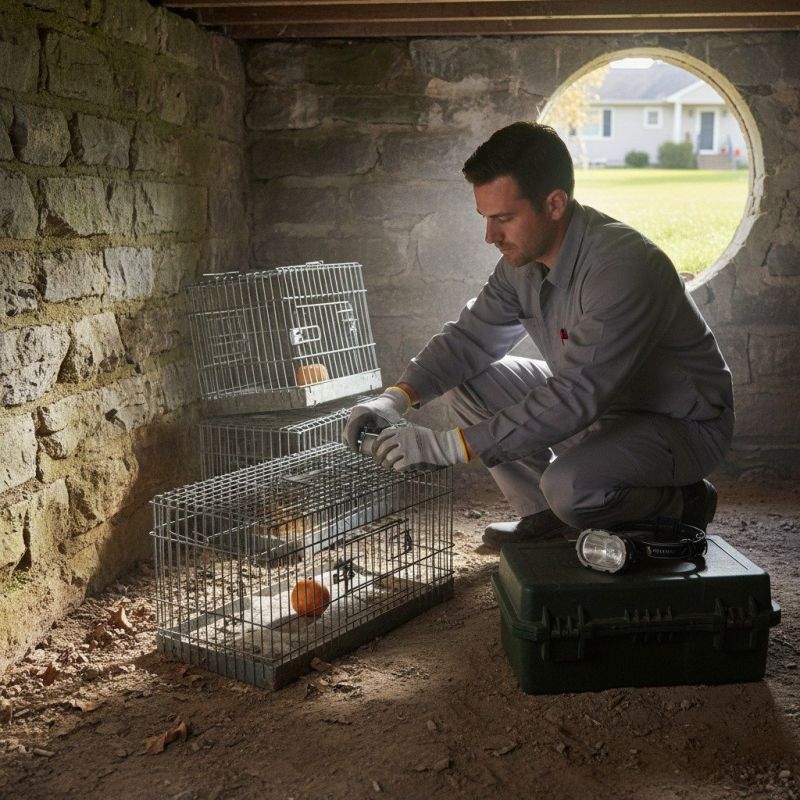
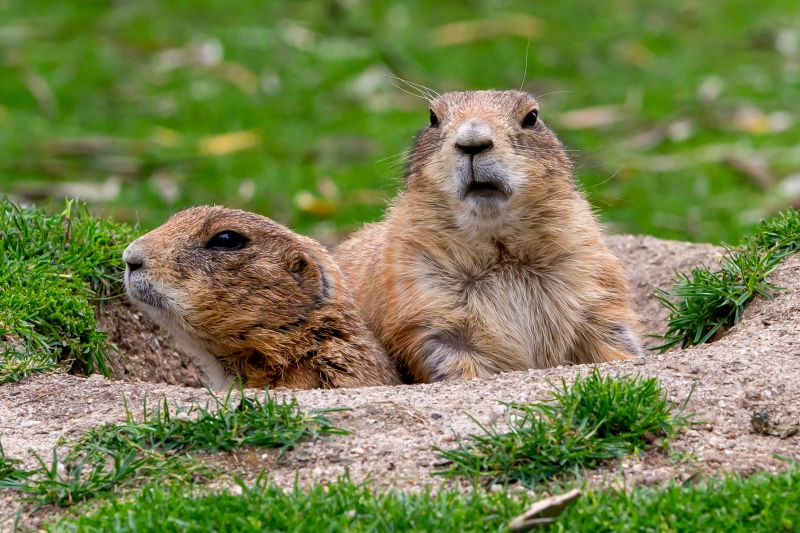
When people search for information about common small animal problems in commercial and industrial properties, they are usually looking to understand the types of pests or animals that might invade or damage their facilities. This search often stems from concerns about safety, property damage, or disruptions to daily operations. Small animals such as rodents, birds, bats, and other wildlife can find ways into buildings, leading to issues like contamination, structural damage, or health hazards. Property owners and managers want to identify these problems early and find effective solutions to prevent or resolve infestations, which is where local service providers specializing in small animal removal can play a crucial role.
These problems often relate to the presence of animals that seek shelter, food, or nesting sites within commercial and industrial buildings. Common issues include rodents gnawing on wiring or insulation, birds roosting in vents or rafters, and bats occupying dark, secluded areas like attics or ceiling spaces. These animals can cause significant damage over time, including structural deterioration, contamination of stored goods, or the spread of disease. Many property owners also develop plans to prevent future invasions, such as sealing entry points, installing deterrents, or implementing ongoing monitoring programs. Local pros with expertise in small animal removal are essential for both addressing current issues and designing long-term prevention strategies.
The types of properties most frequently affected by small animal problems include warehouses, factories, office buildings, retail centers, and even apartment complexes or multi-unit residential buildings. Any commercial or industrial property that offers access to food sources, sheltered areas, or dark corners can become a target for small animals. These structures often have features like loading docks, ventilation systems, or roof openings that provide easy entry points. For property owners, understanding the specific vulnerabilities of their property helps in planning effective removal and exclusion measures. Local service providers can assess these vulnerabilities and recommend tailored solutions to keep animals out and protect the integrity of the building.
Recognizing how small animal problems relate to real projects is key for property owners and managers. Whether it’s removing a rodent infestation, sealing entry points to prevent future visits, or managing bird populations, these issues can significantly impact daily operations. Engaging experienced local pros ensures that the problem is handled efficiently and humanely, with solutions designed to fit the specific needs of the property. By working with specialists who understand the common challenges faced by commercial and industrial buildings, property owners can better safeguard their investments, reduce risks, and maintain a safe, clean environment for employees and visitors alike.
Building inspection services - professionals assess commercial and industrial properties for signs of small animal activity and structural vulnerabilities that may attract pests.
Pest control services - local contractors handle infestations caused by rodents, birds, or other small animals that can lead to property damage and health concerns.
Wildlife exclusion services - specialists install barriers and repairs to prevent small animals from entering or re-entering commercial facilities.
Structural repair services - contractors focus on sealing entry points and fixing damages caused by small animals to maintain property integrity.
Rodent proofing services - providers implement strategies to eliminate access points and reduce the risk of small animal intrusion.
Ventilation and duct services - experts clean and seal ventilation systems that may harbor small animals or facilitate their entry into buildings.
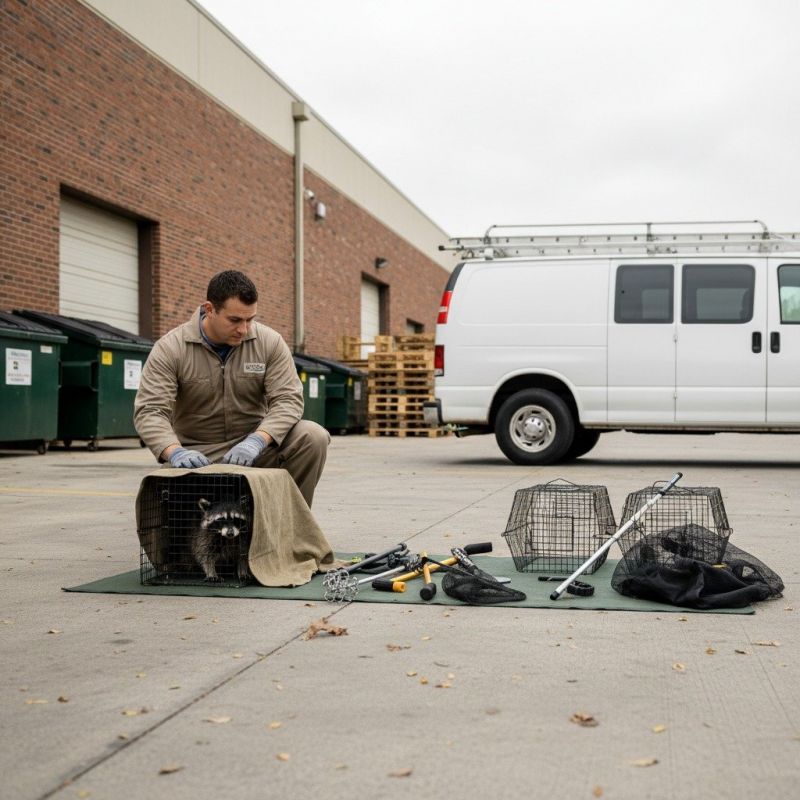
When evaluating service providers for addressing common small animal problems in commercial and industrial properties, it is important to consider their experience with similar projects. Local contractors who have handled small animal removal in settings comparable to the property in question are more likely to understand the unique challenges and requirements involved. Asking about their experience with properties of the same size, type, or industry can help ensure they are familiar with potential access points, common nesting areas, and the best practices for humane and effective removal.
Clear written expectations are essential to avoid misunderstandings and ensure the scope of work is well-defined. Reputable service providers should be able to outline the steps they will take, the methods they will use, and any follow-up actions needed to prevent future issues. Having this information in writing helps property owners assess whether the proposed approach aligns with their needs and provides a transparent basis for decision-making.
Good communication and reputable references are also key factors when comparing local contractors. Service providers who are responsive and willing to answer questions demonstrate professionalism and a commitment to customer service. Additionally, seeking references from previous clients who faced similar small animal problems can offer insights into the contractor’s reliability, quality of work, and ability to handle complex situations. This information supports property owners in choosing a contractor capable of effectively managing common small animal issues in commercial and industrial settings.
Property owners often search for common small animal problems in commercial and industrial properties when they are planning practical projects around their homes and businesses. Local pros provide Small Animal Removal services for everyday jobs and straightforward project options.
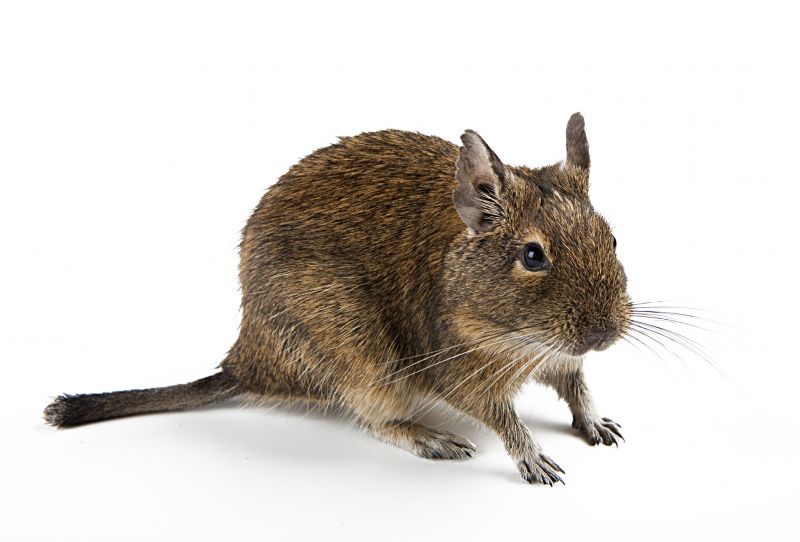
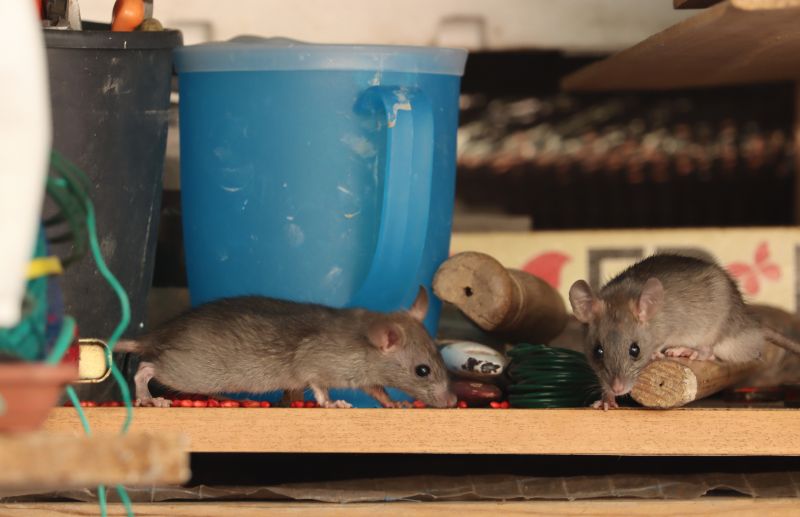
Small animals such as rodents, birds, and insects often find their way into commercial and industrial properties, creating common small animal problems that can disrupt operations and cause property damage. These issues frequently arise from gaps in building exteriors, damaged vents, or poorly sealed entry points, making it easy for animals to access attics, crawl spaces, and wall voids. Property owners who notice unusual noises, droppings, or signs of nesting may seek out local contractors experienced in small animal removal to address the situation promptly and prevent further infestations.
In many cases, small animal problems in commercial and industrial settings develop gradually, with signs that might go unnoticed until the situation worsens. When animals become trapped or establish nests inside structures, they can pose health risks and lead to structural concerns. Local service providers specializing in small animal removal can help identify entry points, safely remove unwanted visitors, and implement exclusion measures to prevent future issues. Property owners looking to resolve these common problems efficiently often turn to local contractors who understand the unique challenges of commercial and industrial properties.
What are common small animal problems in commercial and industrial properties? Common issues include rodents nesting in walls, birds roosting on rooftops, and small mammals entering building structures, which can lead to damage and sanitation concerns.
How do small animals typically enter commercial buildings? Small animals often gain access through gaps in roofing, vents, utility openings, or damaged siding, making it important to identify and seal entry points to prevent infestations.
Why is it important to address small animal problems promptly? Prompt removal helps prevent structural damage, contamination, and health risks associated with animal droppings and nesting materials in commercial and industrial settings.
What services do local contractors offer for small animal removal? Local service providers can perform inspections, humane removal, sealing of entry points, and ongoing prevention measures to manage small animal problems effectively.
How can property owners prevent future small animal issues? Regular inspections, proper maintenance, and timely repairs of building openings can reduce the likelihood of small animals entering and causing problems in commercial properties.
Identifying entry points - property owners can work with local contractors to locate and seal gaps or holes that small animals use to access buildings, reducing future infestations.
Implementing exclusion methods - applying professional exclusion techniques can prevent small animals from returning after removal, protecting the property long-term.
Removing nesting sites - small animal removal services can safely eliminate nests and debris that attract pests, helping to maintain a clean and safe environment.
Preventing future issues - consulting with local service providers about ongoing monitoring and maintenance can help address common small animal problems proactively.
If you are thinking about common small animal problems in commercial and industrial properties for a property, this guide is meant to help you understand this topic, the typical project types, and how different options might fit your plans.
When you are ready, you can use the quote form on this page to share a few details about your project. From there, local pros can review the basics and follow up with options that match what you have in mind.