Identifying Dangerous Snakes on Residential Properties
People seeking to identify dangerous snakes on residential properties can rely on local service providers who specialize in safe snake removal and assessment.
Homeowners with residential properties in the area often find it important to be able to identify dangerous snakes to ensure the safety of their families and pets. Recognizing the signs of potentially harmful snakes can help prevent unexpected encounters and reduce the risk of bites or injuries. Since many snakes may blend seamlessly into their surroundings, understanding their key features and typical behaviors is a practical step in maintaining a safe outdoor environment. Local contractors who specialize in snake removal are well-equipped to assist with identifying these reptiles and implementing effective solutions to keep residential areas secure.
Exploring how to identify dangerous snakes on residential properties can also provide peace of mind for those who enjoy spending time outdoors or maintaining gardens. Knowing what to look for allows property owners to address potential issues early and work with experienced service providers who can handle snake removal safely and efficiently. By staying informed and connected with trusted local experts, homeowners can better protect their property and loved ones from unexpected snake encounters while ensuring their outdoor spaces remain safe and welcoming.
- Common Projects - Homeowners noticing potential snake sightings on their property may seek services to identify and assess the presence of dangerous snakes, with local contractors conducting visual inspections and habitat evaluations.
- Common Projects - When residents find snake tracks or shed skins around their yard, local service providers can help determine if dangerous species are nearby through thorough site assessments.
- Common Projects - If someone encounters a snake that appears aggressive or is in a high-traffic area, local pros can safely identify whether it is a venomous species and advise on next steps.
- Common Projects - Property owners concerned about the risk of venomous snakes hiding in their landscape may contact local contractors to perform detailed inspections and identify potential hazards.
- Common Projects - Individuals who want to prevent dangerous snakes from establishing on their property often seek expert evaluations to identify signs of infestation and recommend removal strategies.
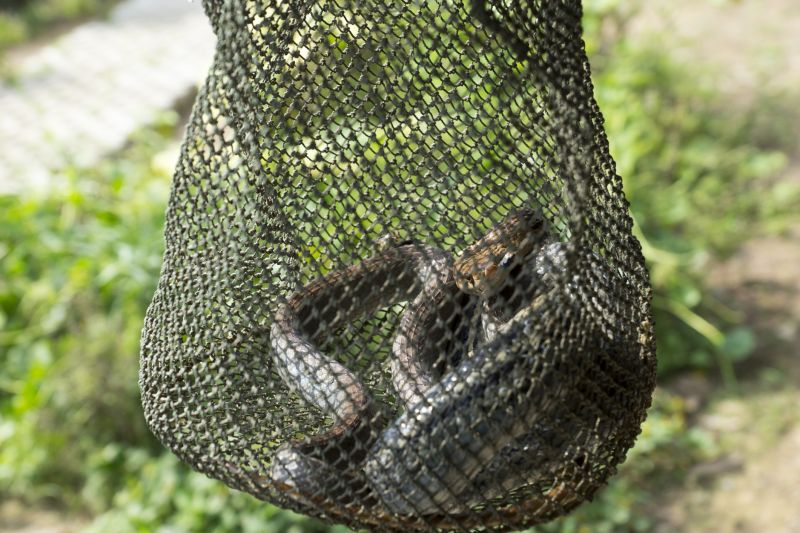
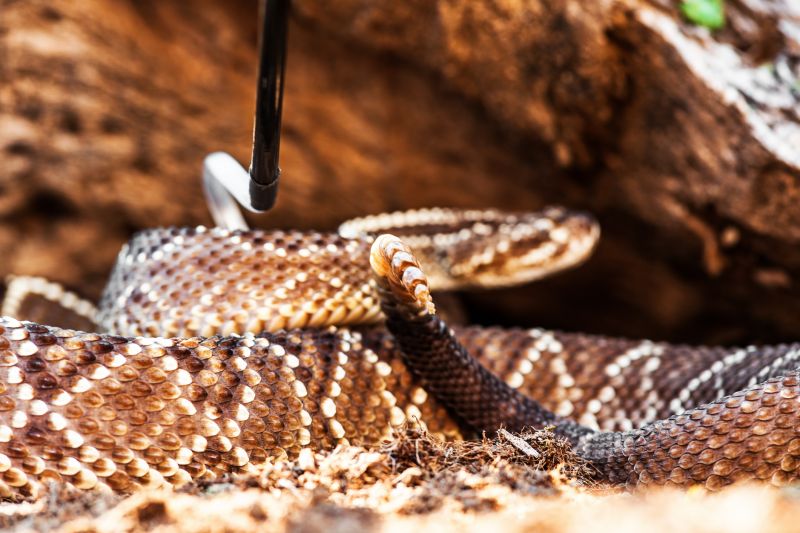
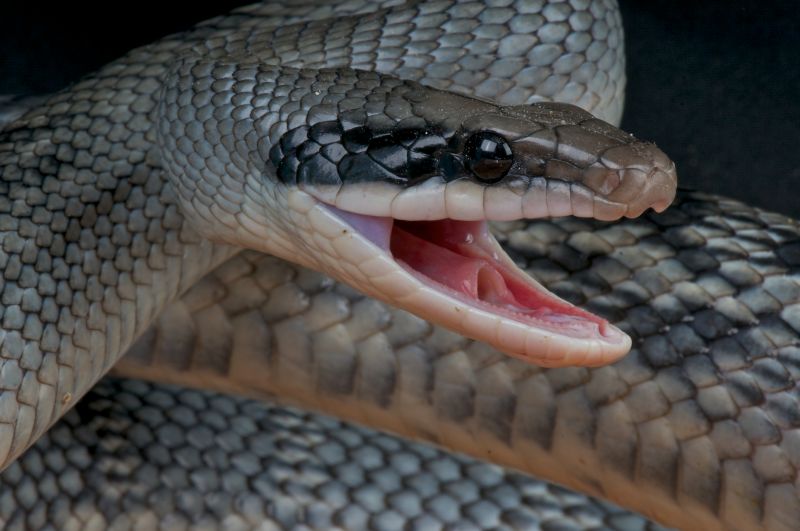
When people search for information on identifying dangerous snakes on residential properties, they are typically concerned about the presence of potentially venomous snakes in or near their homes. This interest often stems from encounters with snakes in yards, gardens, or around outdoor structures, prompting homeowners to want to distinguish between harmless and hazardous species. The goal is to recognize warning signs early, so they can take appropriate action to protect family members, pets, and visitors. Understanding what makes a snake dangerous-such as specific markings, body shape, or behavior-helps homeowners make informed decisions about whether to seek professional assistance or simply keep a safe distance.
This topic is closely related to problems involving snake sightings, bites, or the need for ongoing property management. Many property owners plan to eliminate or reduce snake habitats to prevent future encounters, especially in regions where venomous snakes are common. Identifying dangerous snakes on residential properties is a critical step in developing a safe and effective removal or exclusion plan. Local service providers who specialize in snake removal can evaluate the property, identify species that pose a risk, and implement strategies to minimize the chances of dangerous snake encounters. Proper identification helps ensure that the right measures are taken, reducing the risk of bites or other incidents.
Residential properties that typically come up in discussions about dangerous snakes include yards, gardens, garages, sheds, and areas with dense vegetation or debris. These environments often provide ideal hiding spots for snakes, especially during warmer months or after heavy rains. Homes situated near wooded areas, wetlands, or rocky outcroppings are more likely to experience encounters with potentially dangerous species. Property features such as stone walls, woodpiles, and dense shrubbery can serve as shelter for snakes, making it important for homeowners to understand how their property layout influences snake activity. Local snake removal service providers are experienced in assessing these environments and advising on modifications or treatments to reduce risk.
Understanding the connection between property features and dangerous snake presence helps homeowners plan effective safety measures. Identifying dangerous snakes on residential properties involves recognizing species that are venomous or aggressive, as well as understanding their preferred habitats. Local contractors who specialize in snake removal can assist with this process by conducting thorough inspections, offering advice on habitat modification, and safely removing snakes that pose a threat. This proactive approach ensures that homeowners are better prepared to handle potential encounters and maintain a safer outdoor environment. Connecting with experienced service providers is a practical step toward managing and reducing the risks associated with dangerous snakes on residential properties.
Wildlife habitat assessment - professionals evaluate property areas to identify potential habitats for dangerous snakes, aiding in prevention and early detection efforts.
Pest control services - local contractors specializing in pest management often handle snake exclusion and removal, requiring skills in identifying snake signs and habitats.
Landscaping and yard cleanup - experts modify outdoor spaces to reduce hiding spots for dangerous snakes, which involves understanding snake behavior and habitat preferences.
Rodent control services - since rodents attract snakes, these providers help identify and manage rodent populations to decrease snake encounters on residential properties.
Property inspection services - inspectors assess residential sites for potential snake entry points and hazards, supporting early identification of dangerous snake presence.
Outdoor safety planning - specialists develop strategies to minimize snake encounters, requiring knowledge of local snake species and their habitats on residential properties.
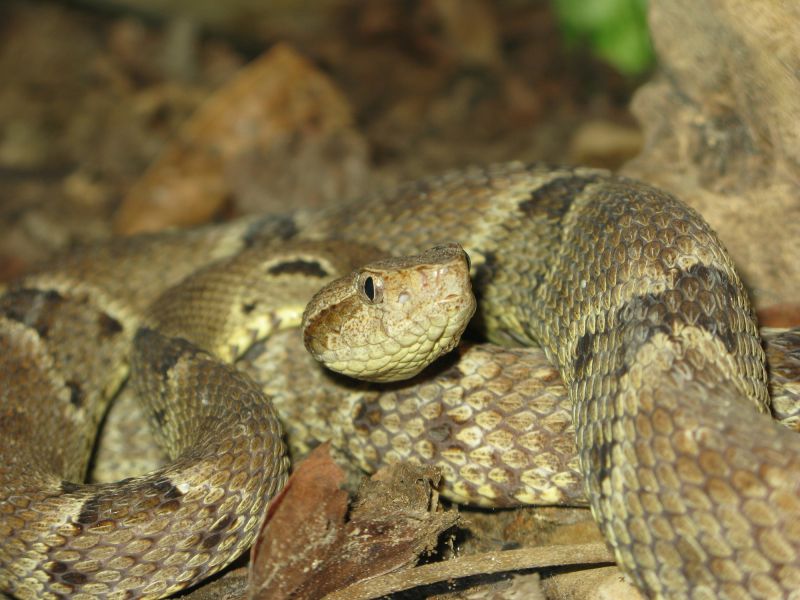
When comparing service providers for identifying dangerous snakes on residential properties and snake removal, it is important to consider their experience with similar projects. Homeowners should look for local contractors who have a proven track record of handling snake-related issues in residential settings. An experienced professional will be familiar with the types of snakes common to the area, how to accurately identify potential threats, and the most effective removal techniques. This background can help ensure that the service provider is well-equipped to handle the specific challenges that may arise on a homeowner’s property, leading to safer and more reliable results.
Clear written expectations are essential when evaluating snake removal services. Homeowners should seek providers who can clearly outline the scope of work, including how dangerous snakes will be identified, what methods will be used for removal, and any follow-up steps that may be necessary. Having detailed, written information helps prevent misunderstandings and ensures that both parties are aligned on what the service will entail. It also provides a record that can be referenced if questions or concerns arise during or after the project, contributing to a smoother and more transparent process.
Reputable references and strong communication are key factors in selecting a dependable service provider. Homeowners are encouraged to inquire about previous clients’ experiences or request references to verify the quality of the contractor’s work. Additionally, a service provider who communicates clearly and promptly can better address questions about identifying dangerous snakes and the removal process. Good communication fosters confidence that the contractor understands the homeowner’s concerns and will keep them informed throughout the project. Together, these qualities help ensure the chosen local contractor is trustworthy and capable of effectively managing the safety risks associated with dangerous snakes on residential properties.
Property owners often search for identifying dangerous snakes on residential properties when they are planning practical projects around their homes and businesses. Local pros provide Snake Removal services for everyday jobs and straightforward project options.
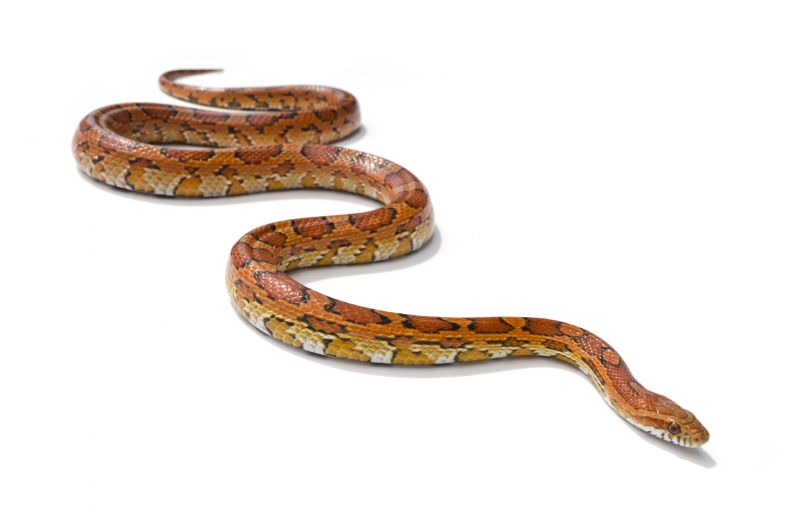
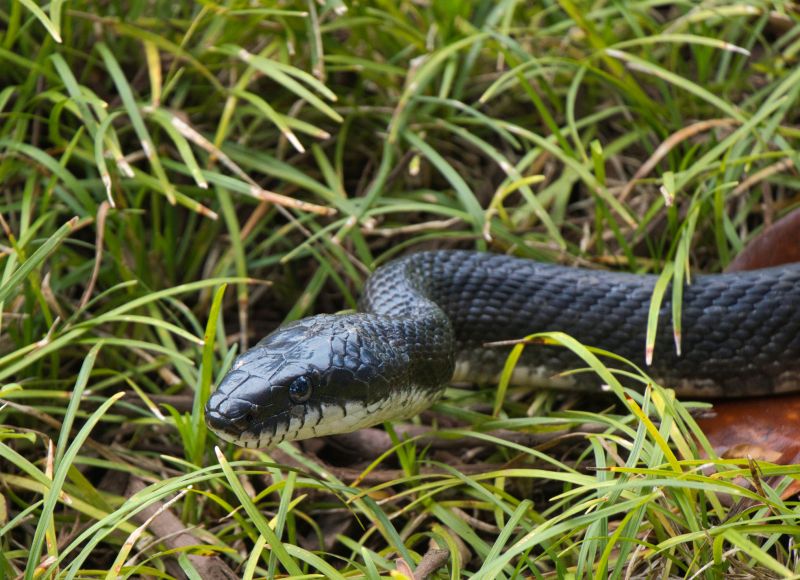
Homeowners often encounter situations where they need to identify dangerous snakes on residential properties, especially after noticing unusual movements or sightings in their yard. Common signs include seeing snakes in the yard during regular activities, noticing snake tracks or shed skins, or discovering snakes near outdoor storage areas, sheds, or dense shrubbery. Recognizing these warning signs can help property owners determine when professional snake removal services might be necessary to ensure safety and peace of mind.
In many cases, property owners choose to work with local contractors who specialize in snake removal to handle the situation safely and effectively. These service providers are experienced in identifying potentially dangerous snakes and can assess the property for potential hazards. Engaging with local pros ensures that any snake-related concerns are addressed promptly, reducing the risk of bites or other incidents while maintaining the safety of the home environment.
How can I tell if a snake on my property is dangerous? Local contractors can help identify dangerous snakes based on their appearance and behavior, reducing the risk of misidentification.
What are common signs of a venomous snake in my yard? Signs include specific color patterns, head shape, and the presence of shed skins; local pros can assist in recognizing these indicators.
Are certain areas around my home more likely to attract dangerous snakes? Yes, areas with tall grass, debris, or water sources are common habitats; experienced service providers can advise on risk zones.
How do I differentiate between harmless and dangerous snakes? Local snake removal experts can identify species and determine which ones pose a threat, ensuring proper handling and removal.
What should I do if I find a potentially dangerous snake on my property? Contact local contractors who specialize in snake identification and removal to safely address the situation.
Learn snake species common to the area - understanding which snakes are dangerous helps property owners recognize potential threats during routine yard inspections.
Identify common snake hiding spots - knowing where snakes may seek shelter allows for targeted removal efforts by local contractors.
Monitor outdoor activity during warm months - observing snake behavior in high-traffic areas can alert property owners to potential risks needing professional removal.
Implement property modifications to reduce snake habitats - making simple landscape changes can discourage dangerous snakes from settling on residential properties, with guidance from local service providers.
If you are thinking about identifying dangerous snakes on residential properties for a property, this guide is meant to help you understand this topic, the typical project types, and how different options might fit your plans.
When you are ready, you can use the quote form on this page to share a few details about your project. From there, local pros can review the basics and follow up with options that match what you have in mind.